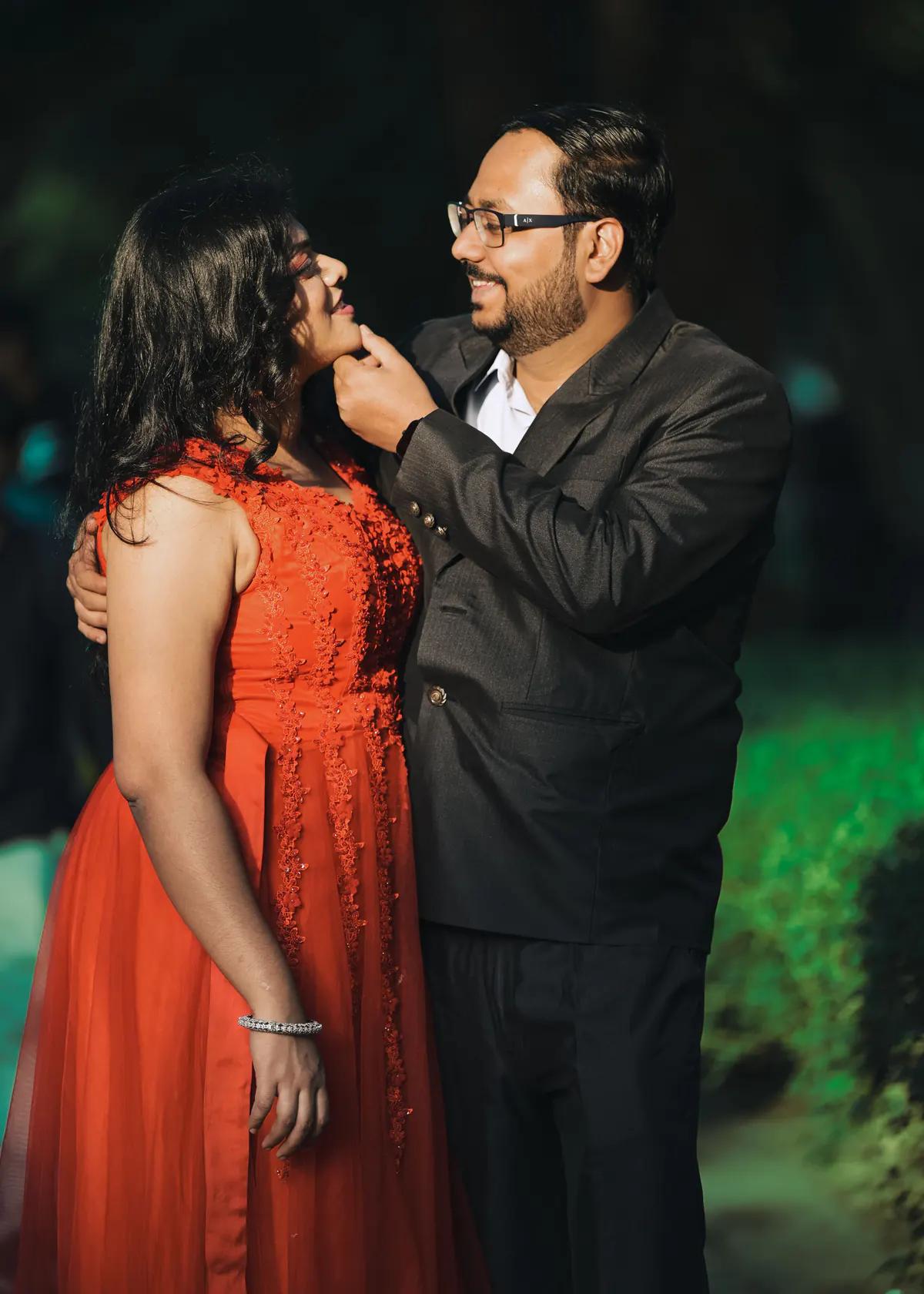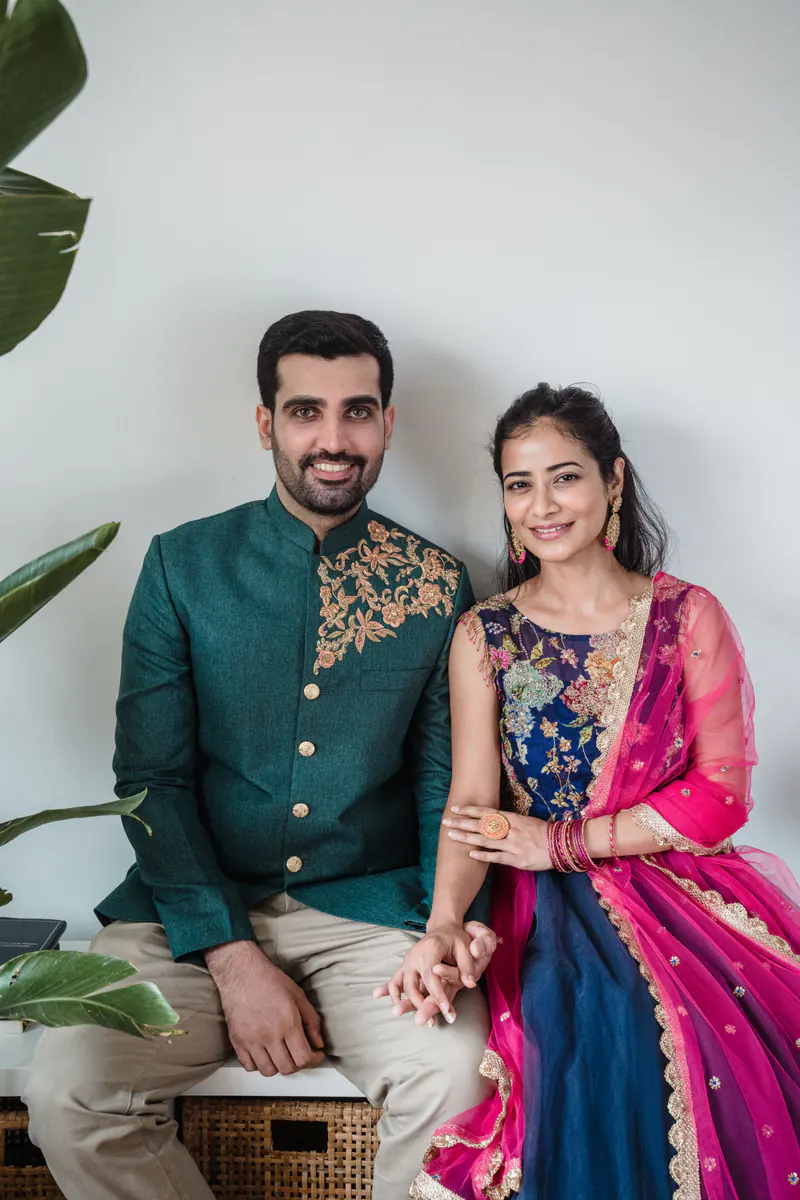
A marriage biodata that serious families respond to is short, honest and complete: one or two pages covering the person, their education and work, their family, the practical facts a family needs before a first conversation, and a few clear sentences on what they are looking for, with two or three recent, natural photographs. What it leaves out matters just as much: no home address, no identity numbers, no exact salary figures and no photographs you would not want forwarded.
A biodata is still the first thing most Indian families exchange, by WhatsApp, through a relative, a marriage bureau or a matrimony site. It is read quickly, often by a parent first and beside several others, and the ones that get replies answer the obvious questions without making the reader dig.
What is a marriage biodata, and who reads it?
Its first reader is usually a parent, an aunt or an elder sibling, who reads it for fit and for tone before passing it on. That reader is deciding one thing: is this family worth a phone call. Everything on the page should help them decide, and nothing should be there only to impress.
The biodata format families expect
There is no official format, but there is a settled one, and departing from it makes a biodata harder to read rather than more memorable. Keep to this order:
- Personal details. Full name, date of birth, height, the city you live in now, marital status, religion and community. If either family will want horoscope details, add the time and place of birth here.
- Education. The highest qualification first, with the institution, then anything else that genuinely matters to how you think or work.
- Work. What you do, the sector and the city. Naming the employer is common, but you can hold it back for a first exchange if discretion at work matters to you.
- Family. Parents and what they do or did, siblings and whether they are married, and where the family is originally from. Families read this section closely, so write it with care rather than as a list of job titles.
- Lifestyle. Diet, whether you drink or smoke, the languages spoken at home, and anything about daily life that would decide a match for you, such as where you intend to live.
- What you are looking for. Three or four sentences, written by the person getting married rather than by a parent on their behalf.
- Contact. One family contact name and number, usually a parent's.
One page is ideal and two is the ceiling. Use a plain font and clear headings so a parent reading on a phone can find the family section in a second, and send a PDF so the layout survives being forwarded.
The Evara Families Report 2026 sets out how the families in our own register describe their education, work and manglik status, the same headings most biodatas carry.
Download a blank marriage biodata template
Download the free editable biodata template (.txt). No sign-up is needed. Open it in a text editor, replace the bracketed fields and delete anything you do not want to share. You can then paste it into Word or Google Docs, add your photographs and export your own PDF.
The file is a writing worksheet, not an official form or a verified profile. It contains no sample person, so there is no invented name, salary or family story to accidentally leave in your final version.
A simple structure you can copy
- Personal details: [Name], [date of birth or age], [height], [current city], [marital status], [languages]. Add religion, community and horoscope details only where relevant.
- Education and work: [Highest qualification], [profession and sector], [work location], [career or location plans]. Keep the employer optional in an initial exchange.
- Family: [Family location], [a brief description of parents and siblings, shared with permission].
- Daily life: [Diet], [smoking or alcohol habits], [real interests], [one sentence about a typical weekend], [where you hope to live].
- About me: [Three or four sentences in your own voice].
- What I am looking for: [Essential values and practical priorities], [preferences you are open to discussing].
- Contact: [One authorised contact and method for this intended recipient].
Check the final version before you forward it
Read it yourself, remove every placeholder and confirm that the photographs are current. Ask permission before including another person's details. Keep your full address, identity numbers, payslips and account details out of the file. Use an authorised contact rather than automatically putting a parent's number on it.
Keep a private master and send a version intended for the recipient. Ask them not to forward it, but remember that a request does not guarantee control once a file has been sent. The matrimonial safety guide explains the checks to make before moving from a biodata to a meeting.
What to include that most biodatas leave out
The biodatas that get replies answer the questions a family would otherwise have to ask on the first call. Three are left out more often than any others.
- Where you intend to live. Whether you are settled in Gurgaon, open to moving abroad or committed to staying near your parents decides more matches than education does. Say it.
- Diet and observance, stated precisely. Vegetarian means different things in different households. If you eat eggs, or if your family does not eat onion and garlic, write that down.
- One real sentence about yourself. Not "simple, family oriented and fun loving", which tells the reader nothing. One specific line about how you spend a Sunday says more than a paragraph of adjectives.
If there is something a family will certainly find out, such as a previous marriage, a significant age gap or a health condition that affects daily life, say it plainly, on the biodata or in the first conversation. Families forgive a fact far more readily than they forgive finding it late. For a second marriage, our page on matchmaking after divorce sets out how that conversation is best handled, and our page on marrying later in life does the same for age.
What to leave out of a biodata for privacy
A biodata is forwarded. Once you send it, assume it will reach people you never chose, through relatives, bureau files and group chats. Write it for that reader as well as the one you intended.
- Your home address. The city and the locality are enough. A full address can wait until two families have met.
- Identity numbers. No Aadhaar, PAN or passport numbers, ever. No genuine family needs them to decide on a first call.
- Exact salary figures and payslips. A range, or no figure at all, is normal. If income is a deciding question for the other family, it belongs in a conversation between the families, and documents belong later still.
- Your personal mobile number and email. Use a parent's number as the contact. It keeps unwanted calls away from you.
- Social media handles. A family that is interested will ask. A handle on a forwarded page invites strangers to read your life.
The same thinking applies online. Membership: only verified Evara members can see your profile, never the public or search engines. Select and Reserve: while your plan is active, your profile is taken out of what members see. You share your own details in conversation, if and when you choose. What Evara actually shows about you sets out what is visible and what is not.
How to choose biodata photographs
Photographs are looked at before a single line is read. Two or three is the right number.
- Recent. Taken within the last year, and looking the way you look now. An old photograph is the most common reason a first meeting starts badly.
- One clear face photograph and one full length. Natural light, a plain background and a genuine expression. A third can show you at a family occasion or somewhere you like to be.
- No heavy filters or editing. Families notice, and it makes every other line on the page harder to believe.
- Just you. Group photographs make the reader guess, and they send other people's faces to strangers without asking them.
- Nothing you would not want forwarded. It will be seen by far more people than the family you sent it to.
On Evara no photograph appears until a person has approved it, and no profile is shown without one. An automated check compares the photographs on a profile, which establishes photo consistency and is not proof of identity. Profile verification sets out exactly what each check establishes and what it does not.
Horoscope, gotra and community details
If kundli matching will decide the question for either family, put the time and place of birth on the biodata so the other side does not have to ask; if it will not, leave it off. Our piece on astrology in marriage matching and the kundli matching guide explain what a match of charts does and does not tell a family.
Many families list gotra, and if yours follows gotra rules, include it. Be aware that Evara does not record gotra on a profile and does not match on it, so on Evara that judgement stays with the two families, as it always has. Community is recorded, and it is used to narrow your matches when you have asked us to use it. Our page on Marwari matrimony shows how one community page sets out gotra, kundali and family questions before the first call.
A biodata is self-declared: how to read the ones you receive
Everything above applies in reverse. A biodata is written by the family it describes and checked by nobody, so treat it as the starting point for questions rather than as settled fact. Education, work, income and family standing are worth confirming the way families always have: conversation, references, and documents at the stage it is reasonable to ask.
Watch for the patterns that recur in matrimonial fraud: a profile that moves quickly to money, a refusal to speak on video or to let the families meet, or a story that changes between calls. How to verify a matrimony profile is a family checklist for the checks worth doing, and the guide to staying safe in matrimony covers the warning signs and how to report a problem.
From biodata to profile
An Evara profile is not a biodata, but it is built on the same thinking. It records community, city and region, age, education, profession and diet, and the matches chosen for you each morning are read from the practical facts on both profiles and from what each side has said it is looking for. Every profile is filled in and verified before it goes live, and its photos are approved by a person. Joining is free, and it stays free.
If you would rather somebody else wrote the introduction, Select and Reserve are the services where a dedicated matchmaker does that work, and membership never includes one. Free and paid membership compared explains the difference, and if your working week leaves little room for any of this, read matchmaking for working professionals.