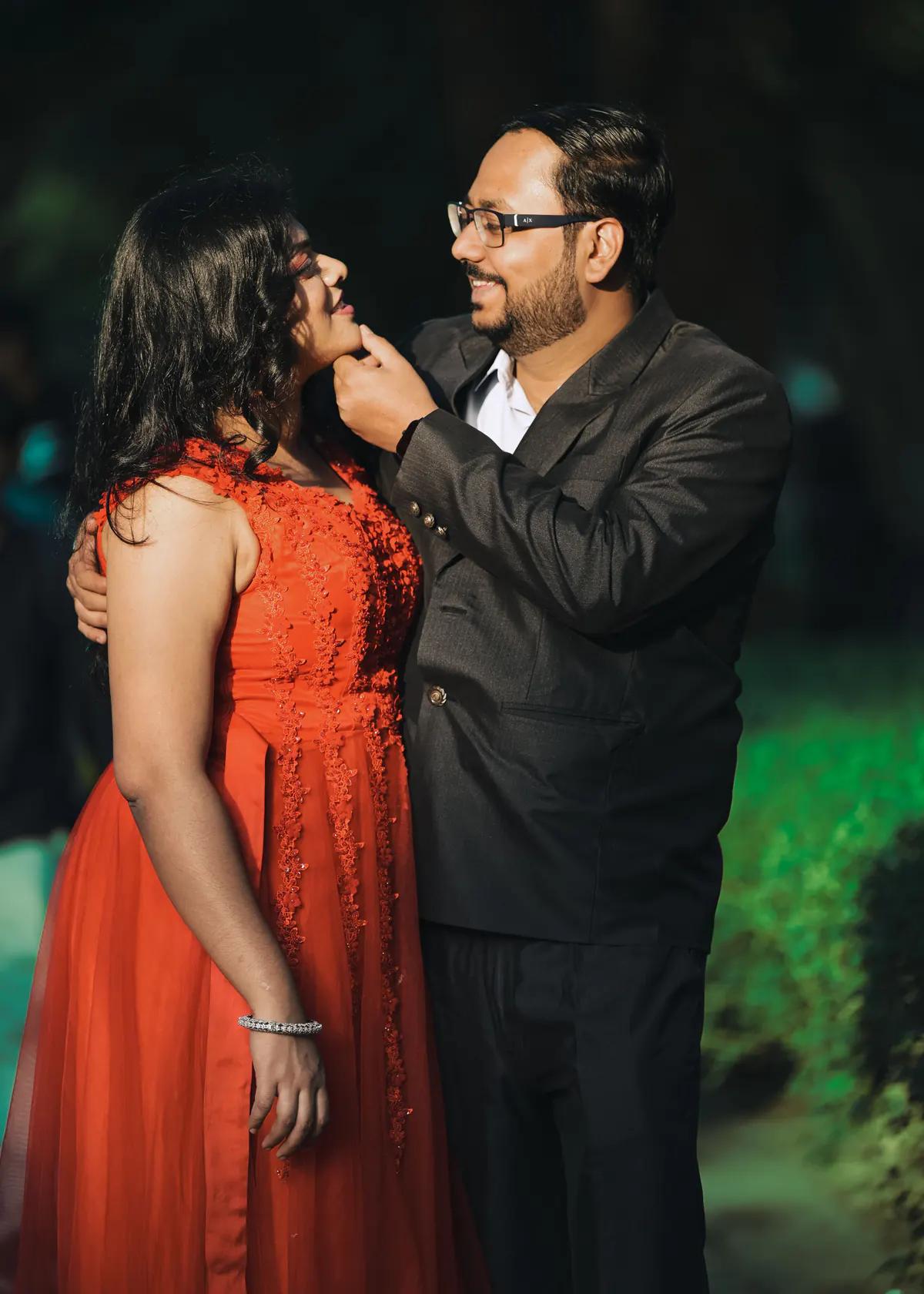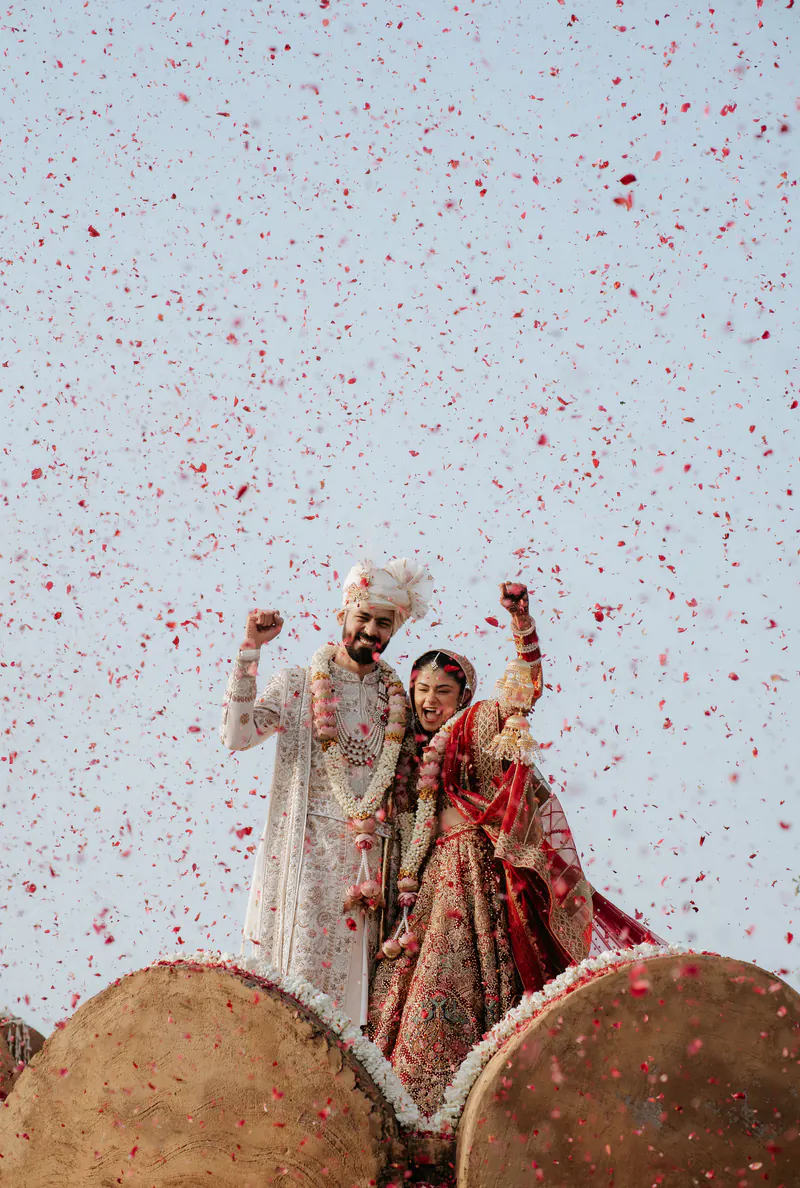
The Punjabi community, Hindu Khatri, Arora, Brahmin, Saini, plus Sikh families with shared Punjabi roots, forms one of the most visible communities in Delhi-NCR, Chandigarh tri-city, Punjab itself, and across the global Indian diaspora. From Greater Kailash to Karol Bagh, from Patiala to Vancouver, Punjabi families are everywhere, visible, prosperous, and culturally distinct.
The community has its own rhythm, its own assumptions, and increasingly its own internal generational divides.
This piece is for Punjabi families starting their matrimonial search, for anyone serving them, and for people marrying into Punjabi families who want to understand the cultural texture they're entering.
The geographic shape of Punjabi matrimony
Punjabi families are concentrated in specific regions but increasingly mobile:
- Delhi-NCR: Largest urban concentration. Particularly Delhi proper (West Delhi, South Delhi, Punjabi Bagh, Greater Kailash, Defence Colony, Friends Colony, Vasant Vihar, Hauz Khas), and Gurugram (DLF colonies, Golf Course Road, Sushant Lok).
- Punjab tri-city: Chandigarh, Mohali, Panchkula. Old-money Punjab families remain anchored here.
- Punjab interior: Ludhiana (industrial Punjab money), Amritsar (legacy families), Patiala (former royals), Jalandhar (sports-business families).
- Beyond Punjab: Mumbai (substantial Punjabi business community), Pune (newer migration), Bangalore (tech-era migration).
- NRI corridor: Toronto/Vancouver (largest), New York/New Jersey (legal/medical), London (commerce), Sydney/Melbourne (newer), Frankfurt/Munich (smaller but growing).
The Punjabi matrimonial market is large enough to be searchable for nearly any specification, but tightly enough networked that families with high standards tend to find each other within a few degrees of separation.
What the elders weigh
Punjabi elders, parents and grandparents of the candidate, typically focus on:
Family lineage and reputation. Punjabi families have long memories. A family's standing in the community over multiple generations matters. A "Sardar so-and-so" family known for textile wholesale in Karol Bagh since the 1950s carries different weight than a recently-arrived family of equivalent wealth.
Khandaan (family character). This is more important to Punjabi elders than almost any other criterion. Khandaan encompasses: ethical conduct, treatment of women in the family, hospitality norms, handling of disputes, behavior at weddings and funerals, philanthropic activity. It's evaluated through the community grapevine.
Business or professional success. Punjabi families respect tangible accomplishment. A successful industrialist, a senior bureaucrat, a prominent doctor, a successful Bollywood figure, a Wall Street banker, all carry weight. Inherited wealth without active accomplishment carries less weight than first-generation success.
Geographic alignment with family roots. A Ludhiana family typically prefers another Ludhiana or tri-city family. A Delhi Punjabi family typically prefers another Delhi Punjabi family. Crossing major geographic lines (Delhi-Mumbai, Punjab-Bangalore) requires more justification.
Punjabi-specific cultural fluency. Language (Punjabi, Hindi-with-Punjabi-cadence), food preferences (vegetarian/non-vegetarian, alcohol attitudes vary), comfort with Punjabi music and dance at weddings, familiarity with festivals (Lohri, Baisakhi, Diwali, Karva Chauth, Guru Nanak Jayanti for Sikh families).
Astrological compatibility. Kundali matching is taken seriously in most Hindu Punjabi families. Sikh families typically don't follow astrology with the same rigor.
For Sikh Punjabi families specifically: religious observance level matters. Amritdhari (initiated) Sikhs typically look for other Amritdhari families. Less observant Sikh families have more flexibility.
What the younger generation asks for
The 28-to-38-year-old Punjabi candidate, especially those who have studied at LSR/Stephens/SRCC/IIT/IIM/abroad or worked in finance/consulting/medicine, brings additional priorities:
Emotional warmth and genuine connection. Punjabi culture values expressiveness. Younger candidates often expect the relationship to be emotionally rich, not just functional. The "we'll grow to love each other" model is being replaced by "we should feel something real now."
Mutual respect across professions. A woman cardiologist in Manhattan won't accept a partner who expects her to step back from her career. A senior law-firm partner won't accept a relationship where her professional standing is dismissed. The expectation of professional parity is now standard.
Reduced visible joint family obligation. Younger Punjabi candidates often want warm relationships with in-laws but not constant physical proximity. Living separately while staying close emotionally is the modern norm. Many Punjabi families are accommodating this, though some still resist.
Compatibility on alcohol and lifestyle. Punjabi social culture often includes drinking, at weddings, parties, festivals. Some families are observant (no alcohol, even at weddings). Others are quite liberal. Mismatches on this between two families can produce real friction. Worth discussing early.
Geographic flexibility. Younger Punjabi professionals are mobile. Mumbai for finance, Bangalore for tech, abroad for many. Older parents often prefer matches who can return to Delhi or Punjab. Younger candidates often prefer matches who'll move with them globally.
Comfort with public expression. Punjabi weddings are large and visible. Both candidates need to be comfortable being celebrated publicly. Introverted candidates from quieter family cultures sometimes struggle with this expectation.
Three patterns we see in successful Punjabi marriages
Across the Punjabi families we've served at Evara, Hindu, Sikh, and the increasingly common inter-faith Punjabi matches, three patterns consistently distinguish marriages that thrive:
1. Both families talked about everything early
Punjabi culture has a tendency to defer difficult conversations in favor of warmth and hospitality. "We're family now, we'll figure it out", said with genuine affection, but problematic when families hold different expectations.
Marriages that work tend to involve families who had explicit pre-wedding conversations about: wedding cost split, gift expectations across festivals, daughter-in-law's career trajectory, where the couple will live, how much time they'll spend with each set of parents, religious observance differences, alcohol culture differences.
These conversations feel awkward in the warmth of pre-wedding excitement. They prevent fights later.
2. The candidates themselves were given real time together
Some Punjabi families still treat matrimony as primarily a family-to-family transaction with the candidates as ceremonial participants. Others give the couple substantial time and freedom before commitment.
Successful marriages strongly skew toward the latter. The candidates need to have spent real time together, in different moods, contexts, conversations, before saying yes. They need to have disagreed and resolved disagreements. They need to have seen each other beyond curated meetings.
Families that protect this time, even when it slows the decision, produce better marriages.
3. The bride's family relationship with her parents stayed strong
Traditional Punjabi matrimony patterns sometimes positioned daughters as transferring entirely to the husband's family, emotionally, financially, even logistically. This model produces difficulties in modern marriages where women maintain professional careers and ongoing parental responsibilities.
Marriages that work tend to honor the bride's continued relationship with her parents. She visits often. She contributes to their wellbeing as they age. Her opinions on her parents' decisions matter. This isn't disloyalty to the husband's family, it's healthy continuation of a daughter's lifelong bond.
Families and grooms who explicitly support this tend to have happier daughters-in-law. And happier daughters-in-law tend to invest more fully in the husband's family.
The NRI Punjabi pattern
The NRI Punjabi diaspora is one of the largest and most established Indian diasporas globally, particularly in Canada (the Punjabi-Canadian community is enormous), the UK, the US, Australia, and Europe.
NRI Punjabi matchmaking has its own dynamics:
- Canada specifically: The Punjabi community in Toronto, Vancouver, Brampton, Surrey is dense enough to function as its own matrimonial market. Many NRI Punjabis find matches within Canada without needing to look back to India.
- UK specifically: London, Birmingham, Leicester have established Punjabi communities. Older diaspora (1960s-70s migration) tends to be more traditional than newer migrants.
- US Northeast: New York, New Jersey, Connecticut, Pennsylvania have substantial professional Punjabi populations, doctors, lawyers, finance.
- Tech corridors: Bay Area, Seattle, Austin have newer Punjabi tech professional populations, often more cosmopolitan than older diaspora.
Patterns specific to NRI Punjabi matchmaking:
- Many NRI Punjabis still prefer Indian partners, particularly first-generation NRIs raising children abroad. Concern: cultural transmission to next generation requires culturally-grounded partner.
- Visa considerations are real, particularly for US-based families navigating H-1B/green card timelines.
- Wedding logistics frequently span continents. Many couples have dual ceremonies, engagement and reception in India, smaller wedding in country of residence.
- The "return to India" calculus exists but is less common for Punjabi NRIs than for some other communities. Many NRI Punjabi families are 2-3 generations abroad and have no plans to return.
What Evara does for Punjabi families
Evara has served Punjabi families across Delhi-NCR, Punjab tri-city, NRI corridors, and beyond for fourteen years. Our matchmaking work in the community is deep, with relationships across hundreds of Punjabi families.
The two routes, what each costs, and how we work with Punjabi families in Delhi, Gurgaon, Noida and abroad are set out on our Punjabi rishtey and marriage bureau page. Khatri families, Hindu or Sikh, will find the questions specific to them on our Khatri rishtey and matrimony page.
For Punjabi families specifically:
Network across Punjabi communities. Personal relationships with Punjabi business families, professional families, NRI returnees, and second-generation diaspora candidates. We can introduce families thoughtfully rather than algorithmically.
Cross-community fluency. Many Punjabi families are open to matches with other communities (Marwari, Sindhi, Khatri, Aggarwal, sometimes Brahmin). We have networks across all of these. Less common at the most traditional families, more common at upper-income tiers.
Religious-observance awareness. We understand the texture of Sikh observance, from Amritdhari to nominal, and can match families on this dimension carefully. We also work with Hindu Punjabi families with similar religious-observance awareness.
Diaspora reach. Our matchmakers have relationships with Punjabi families across Canada, US, UK, Australia, Singapore. NRI matches can be facilitated thoughtfully.
Discretion expected by the community. Punjabi community networks talk fast. We hold sensitive information rigorously and never broadcast matchmaking activity publicly.
A closing thought for families
For Punjabi families beginning the matrimonial journey, our suggestion is simple:
Lean into the warmth that Punjabi culture brings, but don't let it substitute for substance. The hospitality, the celebrations, the family gatherings, these are gifts of the community. But the difficult conversations about money, expectations, professional autonomy, religious observance, and lifestyle, these must happen too.
The best Punjabi marriages we've helped facilitate have had both. Punjabi warmth in abundance, and Punjabi candor in equal measure.
We've been honored to do this work for a long time. We hope to do it for many families to come.
Evara Matrimony has served families since 2012. For our four matchmaking tiers, from Membership, where matches are chosen for you, to invitation-only Luxe service, visit evaramatrimony.com. For Punjabi families, our Select, Reserve, and Luxe tiers include senior matchmakers with deep networks across the Punjabi community in India and the diaspora.